

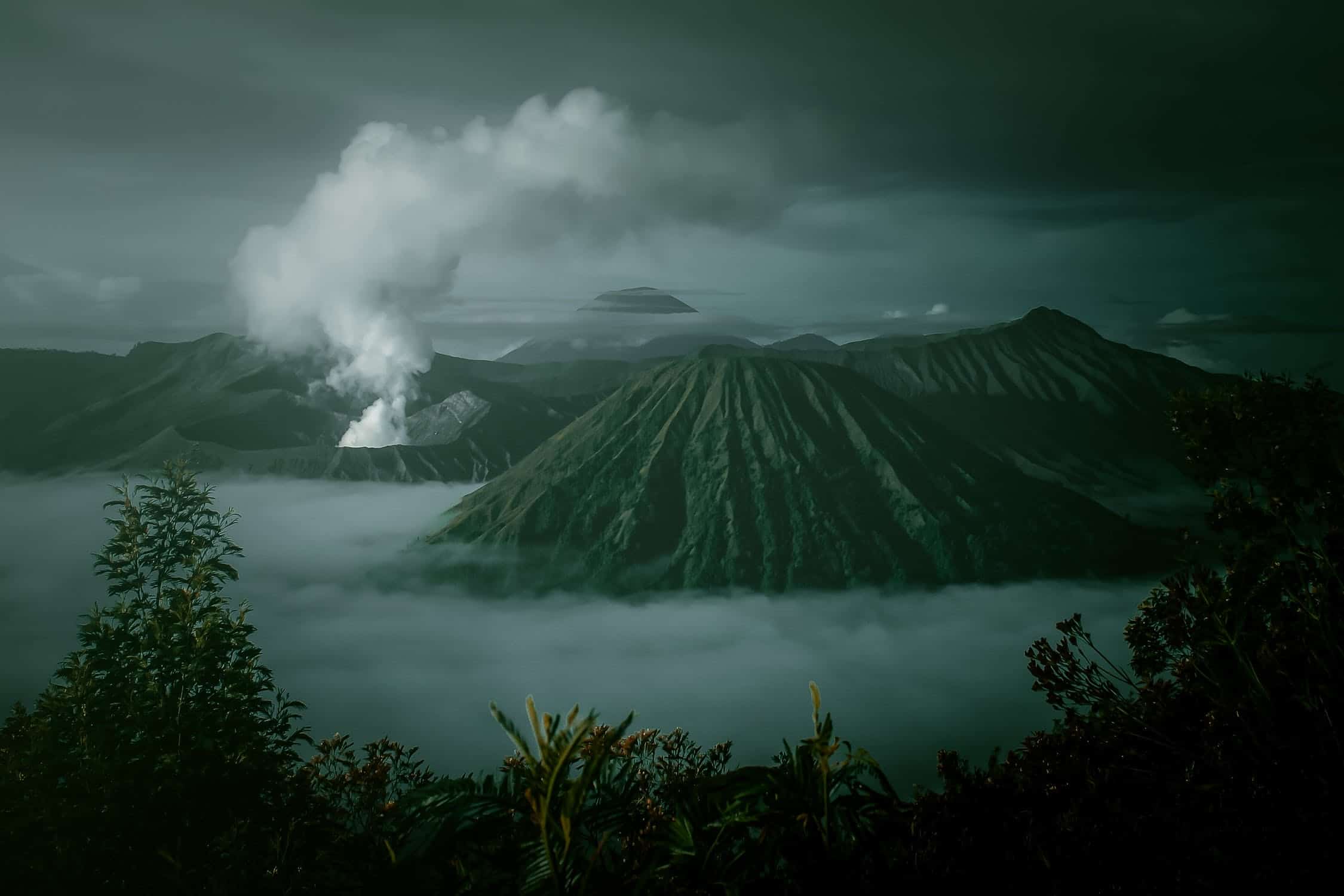

Subglacial Antarctica as a Natural Laboratory for Studying the Limits of Life

When most people imagine Antarctica, they picture an immense white surface shaped by cold, wind, and silence. It appears inhospitable even from above. Yet one of the most fascinating scientific frontiers on the continent lies out of sight, hidden beneath kilometers of ice. There, in buried lakes, sediments, channels, and wet pockets cut off from sunlight, researchers are finding something far more important than frozen emptiness. They are finding a natural laboratory for studying the limits of life.

Subglacial Antarctica matters because it strips life down to fundamentals. In these environments, organisms cannot rely on the energy systems that dominate most ecosystems at the surface. There is no direct sunlight for photosynthesis. Temperatures remain at or below the freezing point. Nutrients are scarce. Pressure is immense. In many places, water and sediments have been isolated for thousands, and in some cases perhaps much longer. If life persists there, it does so not because conditions are favorable, but because it has found alternative ways to endure.

That is what makes the Antarctic subglacial world scientifically powerful. It allows researchers to ask a basic but profound question: how little does life actually need in order to continue?

A World Beneath the Ice

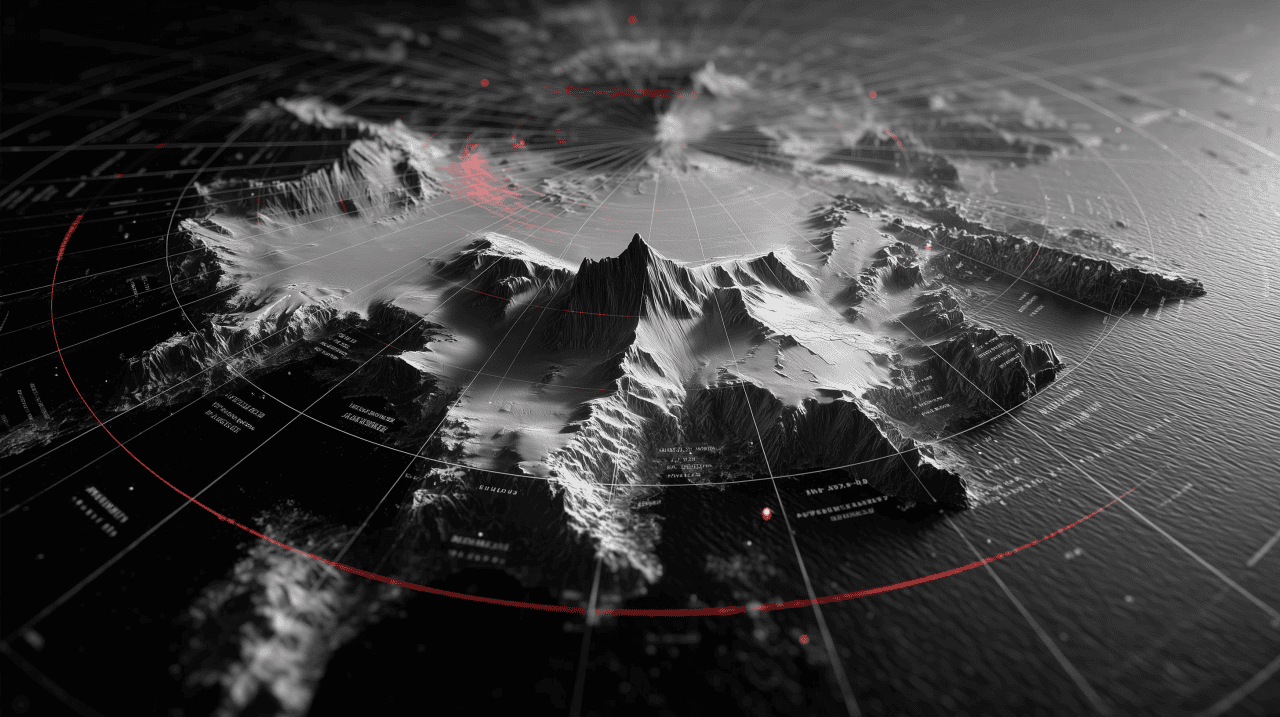
The ice sheet covering Antarctica is not a solid block resting on dry rock everywhere. Beneath it lies a hidden landscape of mountains, valleys, sediments, flowing water, and subglacial lakes. Pressure from the overlying ice, geothermal heat from below, friction, and the physical behavior of the ice itself can create zones where liquid water persists even in extreme cold. These isolated aquatic systems are among the most remote habitats on the planet.

For decades, subglacial lakes were largely theoretical or inferred from geophysical evidence. Now they are recognized as a major feature of the Antarctic interior. Some are large and stable, while others are part of dynamic drainage systems in which water moves beneath the ice over long distances. The subglacial environment is not uniform. That diversity makes it even more useful as a research setting. Scientists are not studying one frozen habitat, but a range of hidden systems that differ in chemistry, age, sediment structure, and hydrology.

This matters because the limits of life are rarely defined by one variable alone. It is not enough to ask whether organisms can survive cold. One must ask whether they can survive cold combined with darkness, limited carbon sources, low nutrient turnover, pressure, and long-term isolation. Subglacial Antarctica brings all of those constraints together in a single planetary setting.

Life Without Sunlight

At the surface, most ecosystems depend directly or indirectly on sunlight. Plants, algae, and photosynthetic microbes capture solar energy, and the rest of the food web depends on them. Beneath Antarctic ice, that pathway is absent. Any life that exists must rely on something else.

This is one of the strongest reasons subglacial environments attract microbiologists and astrobiologists alike. They offer a real example of ecosystems that do not begin with sunlight. Instead, microbial communities may depend on chemical energy derived from minerals, ancient organic matter, dissolved gases, or geochemical reactions between water and rock. In such systems, life is not organized around abundance. It is organized around persistence.

That distinction is important. The question in subglacial research is not whether life can flourish in a familiar way, but whether it can maintain metabolic activity, reproduce slowly, repair damage, and remain viable across vast stretches of time. Organisms in such environments may live near the lower boundary of what is biologically possible. Their survival strategies force science to look beyond standard ecological assumptions.

Some microbes appear capable of using iron, sulfur, methane, or other chemical compounds as part of their energy economy. Others may survive in ultra-low-energy states that blur the line between active life and long-term dormancy. These possibilities turn Antarctica into a test case for understanding whether biology can remain functional under conditions that look, from a human perspective, nearly unworkable.

Isolation as an Evolutionary Experiment

Another extraordinary feature of subglacial Antarctica is isolation. Surface ecosystems change constantly through seasons, weather, migration, and exchange with neighboring habitats. Beneath thick ice, exchange may be slow, rare, or extremely constrained. That isolation creates conditions for unusual microbial adaptation and long-term ecological stability.

In practical terms, this means subglacial habitats function almost like sealed experiments created by the planet itself. They allow researchers to investigate how microbial communities change when they are separated from sunlight, atmospheric exchange, and rapid nutrient cycling. Over time, these communities may become highly specialized. Their metabolic pathways, stress responses, and survival mechanisms can reveal which biological functions are truly essential and which depend on more favorable surface conditions.


This does not mean subglacial ecosystems are simple. In fact, some may be chemically and biologically more complex than once assumed. But their complexity is compressed into a very constrained system. That makes them uniquely valuable. They help scientists identify the minimal requirements for survival and the forms of adaptation that become possible when resources are consistently limited.

Cold Does Not Mean Inactive

One of the biggest misconceptions about frozen environments is that they are biologically dead or nearly so. Subglacial Antarctica challenges that assumption. Cold certainly slows chemistry and biological processes, but slow is not the same as absent. In extreme settings, life often shifts its tempo rather than disappearing altogether.

Microbes can produce protective molecules, alter membrane chemistry, repair freeze-related damage, and reduce metabolic demand to very low levels. Some survive in thin films of water around ice crystals. Others persist in sediments where temperature, salinity, and pressure create microhabitats that are more stable than the surface above. These strategies matter because they expand the known envelope of life.

The broader scientific lesson is significant. Life does not always need warmth, light, or ecological richness to remain possible. Under the right physical and chemical conditions, it may survive in darkness, cold, and isolation for far longer than older models once assumed. Antarctica therefore helps correct a surface-biased view of biology. It reminds researchers that habitability is not defined only by what looks comfortable from above ground.

Why Subglacial Antarctica Matters for Astrobiology

One reason subglacial Antarctic research receives such sustained attention is that it offers a terrestrial analogue for extraterrestrial environments. Icy moons such as Europa and Enceladus are thought to contain subsurface water beneath frozen shells. Mars, too, remains part of the broader discussion about ancient water and potentially protected niches. Scientists cannot yet sample these worlds easily, but they can study Antarctic systems that reproduce some of the same constraints: darkness, low temperature, isolation, and the possibility of water-rock chemical interactions.

That does not mean Antarctica is a direct copy of an alien environment. The chemistry, history, and physical conditions differ. But it provides something equally valuable: a real-world framework for asking what biosignatures to look for, what survival strategies are plausible, and how contamination-free exploration should be conducted.

This last point is especially important. Accessing subglacial habitats requires extraordinary care. Because they are isolated and scientifically precious, they must be sampled without introducing modern microbes from the surface. The technical challenge is part of the scientific lesson. Studying the limits of life also means learning how to recognize fragile ecosystems without damaging them.

A Laboratory That Redefines Habitability

Subglacial Antarctica is not just a remote curiosity. It is one of the few places on Earth where researchers can observe how biology behaves near the edge of habitability. It compresses major scientific questions into one hidden setting: How does life obtain energy without sunlight? How slowly can metabolism proceed and still count as living persistence? How does isolation shape adaptation? What environmental signals indicate that an apparently hostile place is, in fact, inhabited?

These are not narrow questions. They affect microbiology, climate science, planetary science, glaciology, and the search for life beyond Earth. They also change how we think about our own planet. The more researchers study Antarctica beneath the ice, the harder it becomes to define life only by the ecosystems that are easiest to see.

In that sense, subglacial Antarctica is a natural laboratory in the deepest meaning of the phrase. It is not simply a place where science happens. It is a place that challenges science to rethink its assumptions. Beneath the ice, life is not abundant, visible, or easy. But precisely because of that, it may teach us more about biological resilience than many richer environments ever could.

The white silence at the surface conceals one of the most revealing experiments in nature. And the lesson beneath it is both humbling and expansive: life may persist in places that seem, at first glance, entirely beyond its reach.